How to Use a Bread Machine
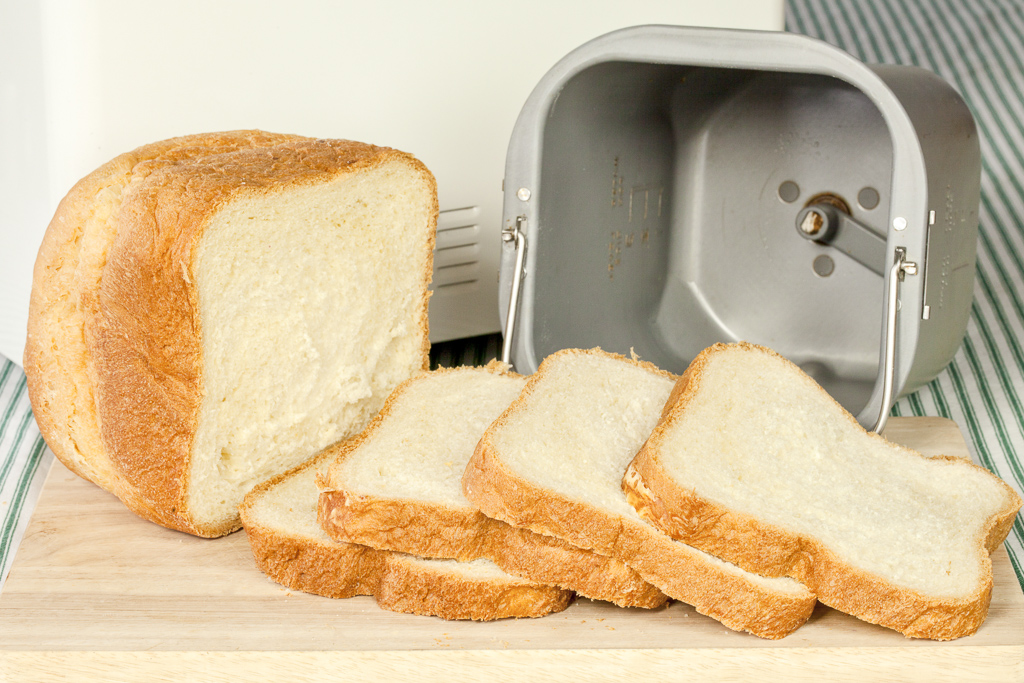
Hints and tips on how to best use a bread machine. Nothing beats waking up to the smell of fresh bread in the morning.
Contents

Use Rapid Rise Yeast
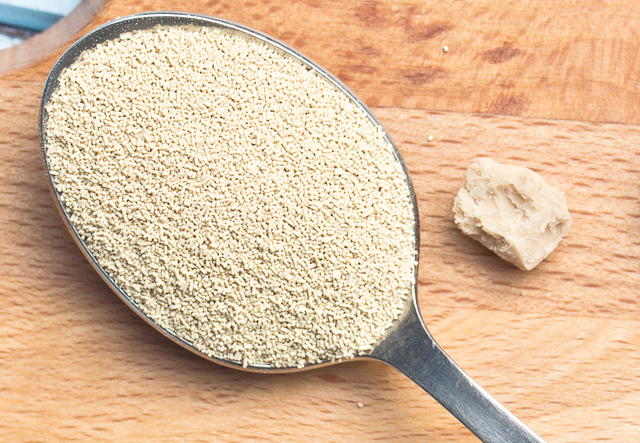
Try using Rapid Rise yeast and check the date on it when you buy it. Keep it in the refrigerator and always bring it to room temperature before using it.
We like using bulk yeast because it's much more economical than packets. Use 2½ level teaspoons of the bulk yeast in lieu of a package of yeast.
Use Bread Flour
Use BREAD flour instead of all-purpose flour. It has a higher gluten content.
If you are using "darker" flours such as rye, whole wheat etc., use at least 1 cup of white BREAD flour along with the other flours, and try using 1 teaspoon of vital wheat gluten (sometimes called gluten flour) for each cup of flour called for in the recipe.
You can also use a 1 teaspoon lecithin for each cup of flour. It will help with the elasticity and rise of the bread.
You can find vital wheat gluten here and find lecithin here. They can also be found at most local health food stores.
Check liquid temperatures
Check to see that all liquid ingredients are not too hot or cold. Approximately 95 to 110℉ (35℃ to 38℃) is about right.
You can use a very unscientific method for the warm water and milk. Run hot water from the tap and give it the "bath water for baby" test on the wrist. Have your other ingredients such as eggs and butter at ROOM temperature. If the ingredients are too hot or cold it may kill or slow the yeast activity.
Proportions are key
The key to using the auto-breadmaker is to have the correct proportion of flour to liquid. After the dough has kneaded for a few minutes in the breadmaker, look in and see if there is ONE ball of dough which is incorporating most of the flour from the sides of the pan.
While it's in its first knead BEFORE it goes into the fermentation cycle and touch the dough lightly.
It should be in one soft ball. If your finger has sticky dough on it, add a tablespoon of flour. Let it knead a minute and touch it again and check to see if it's still sticky.
Keep adding a tablespoon at a time ONLY until it's no longer sticky, DON'T OVERDO IT.
It should be a nice "soft" ball. If it just makes a slight indentation and doesn't look crusty, it's probably about right.
If it feels too dry or is in two or more balls, OR if the bread-maker seems to be laboring or is "walking", add a tablespoon at a time of WARM water.
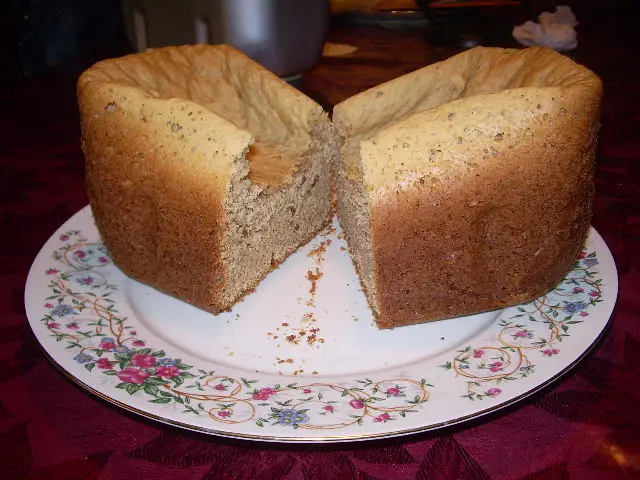
PLEASE DON'T ADD TOO MUCH LIQUID. If you add too much liquid in proportion to the flour, the dough may rise too much and overflow. (Your bread won't be done in the center either.)
## Rising too high
If you look in and see that the dough is threatening to rise up over the top of the bread pan, don't panic, poke it a few times with a toothpick, skewer, fork, etc. until it deflates.
Find all kinds of nifty Bread Machine Recipes for your Breadmaker here.



Comments