Jan's 1940's Apple Pie


Submitted by jhawk
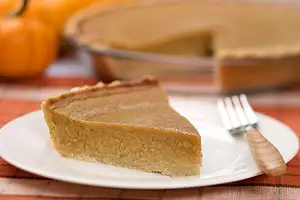
Jan’s 1940s apple pie heaped with McIntosh and Cortland apples, finished with a quick water-rinse trick on the top crust that produces an exceptionally flaky finish.
YIELD
8 servingsPREP
30 minCOOK
60 minREADY
90 minThis is a heritage apple pie with a couple of techniques that almost no modern recipe uses. The first is the apple choice: McIntosh and Cortland in equal proportions, two varieties that home bakers in the 1940s relied on heavily. McIntosh apples cook down soft and saucy; Cortlands hold their shape better and add a subtle tartness. Together they give a filling with both creamy and chunky texture in every bite.
The filling is unusually simple. Two tablespoons of flour mixed with sugar and cinnamon, scattered over the heaped apple slices, with a tablespoon of butter dotted on top. Most modern apple pies pile on more thickener, more spices, more fuss; this one trusts the apples to do the work.
The genius move is the rinse-the-crust trick. After assembling the pie, you rinse the top crust quickly under cold running water before baking. The brief water bath partially washes off the dusting flour, and (more importantly) the moisture creates extra steam in the oven, separating the dough layers into the flaky shatter that defines a great crust. It’s a technique that almost vanished from American baking but was once common knowledge.
The “smear with Crisco in the center” step is another vintage move. The shortening pocket essentially creates a self-greased layer in the middle of the top crust that adds extra flakiness around the steam vents.
Pro Tips
- Use the apple varieties the recipe calls for if at all possible. Modern alternatives like Honeycrisp, Granny Smith, or Braeburn give different texture profiles than the McIntosh-Cortland combo.
- Heap the apples genuinely high in the pan. Apples shrink dramatically as they cook; a flat layer of apples gives a sad, deflated pie.
- Test for doneness with a sharp knife the way the recipe instructs. The blade should slide through the apples with no resistance.
- Cool the pie at least 2 hours before slicing. Hot pie filling runs all over the plate; cooled pie sets up cleanly.
Variations
- Add a pinch of nutmeg or a quarter teaspoon of cardamom to the sugar mix for a more aromatic, modern spice profile.
- Brush the top crust with milk or a beaten egg before baking instead of the water rinse for a glossier, more browned crust (less flaky but prettier).
- Add a quarter cup of golden raisins or dried cranberries to the apples for fruity texture variation.
Ingredients
Directions
Line bottom of pie plate with thin crust, let it drape over edge of plate.
Slice apples into plate until it is HEAPED over top.
Mix the cinnamon and flour into the sugar and pour this over the apple slices.
Dot the top with pieces of the butter.
Now cut around the plate to rid the excess crust.
Roll out top crust and inchsmear inch center (6 inches or so) with crisco.
Make 5 or 6 slits near middle. Sprinkle with flour. Fold and put on pie.
This makes it easier to place on pie. Unfold, then cut off to within 1½ inch any access and fold under the other crust making finger and fold to seal all around.
Now walk to sink and holding pie in one hand . run it quickly under cold water to PARTIALLY rinse off flour.
This is what makes it flaky.
Cook at 350℉ (180℃) for about 1 hour . until golden brown and a sharp knife inserted feels NO firm apples.

Comments