Best Blackened Chicken


Submitted by hemang
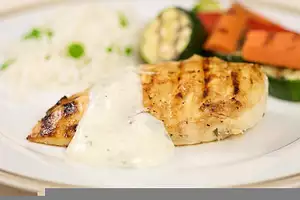
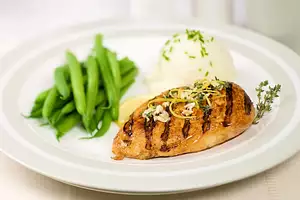
Authentic Cajun blackened chicken with a spicy Paul Prudhomme-style seasoning rub. Cast-iron skillet seared at smoking-hot temperatures for the signature charred crust. Best done outdoors or under a commercial vent.
YIELD
8 servingsPREP
20 minCOOK
20 minREADY
40 minBest blackened chicken is the real-deal Cajun classic, the technique that Paul Prudhomme made famous in 1980s New Orleans. Forget the ovens and the grill grates. This recipe demands a cast iron skillet heated to nearly white-hot for a full eight minutes, then chicken fillets dipped in melted butter, dredged in spice rub, and seared for two minutes a side. The result is a charred, crusted exterior with juicy meat inside that tastes like nothing else on earth.
The seasoning rub is the soul of the dish. Salt, garlic powder, two kinds of pepper, onion powder, cumin, cayenne, and sweet paprika in carefully balanced ratios. The cayenne and white pepper deliver layered heat (front-of-mouth burn from cayenne, lingering back-of-throat warmth from white pepper). The cumin and paprika provide earthy, smoky depth. Pat the rub firmly into the buttered surface so it adheres through the sear.
A word of warning. This recipe should be done outdoors or under a commercial-grade hood vent. The smoke production is genuinely intense and will set off every detector in your home. A side burner on a gas grill, a propane burner outside, or an outdoor camp stove are all good options. This is not a stovetop dish for an apartment kitchen.
Let the chicken breasts come fully to room temperature before blackening. Cold meat hitting the screaming-hot skillet drops the temperature and prevents the proper crust formation.
Pro Tips
- Use a well-seasoned cast iron skillet only. Stainless steel and nonstick will warp or melt at these temperatures.
- Pound the chicken to a uniform ½ inch thickness so it cooks through evenly in the brief sear time.
- Clean the skillet between batches. Scorched seasoning from the previous batch will burn and ruin the next.
- Open windows, run vents on max, and have a fire extinguisher nearby. The recipe is not exaggerating about the smoke.
Variations
- Use the same blackening technique on redfish, salmon fillets, or shrimp for the classic Cajun seafood treatment.
- Reduce cayenne to ¼ teaspoon for milder palates.
- Serve over dirty rice with grilled corn and a wedge of lime.
Ingredients
Directions
NOTE: Recipe calls for 16 (3-ounce) skinless boned chicken breasts, about ½ to ¾ inch thick, or 8 (10-ounce) bone-in leg-thigh pieces, or a combination of these.
Skin the leg-thigh pieces, then bone each piece along the length of the two bones, leaving meat in one piece.
Trim off excess fat. Pound each breast or leg-thigh fillet to ½ inch thick.
Let the chicken come to room temperature before blackening.
Thoroughly combine the seasoning mix ingredients in a small bowl.
Heat a large cast-iron skillet over very high heat until it is extremely hot and just short of the point at which you see white ash or a white spot forming in the skillet bottom, about 8 minutes.
(the time will vary according to the intensity of the heat source.) Heat the serving plates in a 250F oven.
Just before cooking each piece of chicken, dip it in the melted butter so that both sides are well coated, then sprinkle each fillet evenly with the seasoning mix, using about a rounded ½ teaspoon on each, and patting it in with your hands.
(If you lay the fillet on a plate or other surface to season it, be sure the surface is warm so the butter won’t congeal and stick to the surface instead of to the meat. Wipe the surface clean after seasoning each fillet. Use any remaining seasoning mix in another recipe.)
Immediately place the fillet skinned side down in the hot skillet, making sure all meat folds are opened up and the meat is lying flat.
Pour about 1 teaspoon butter on the top of the fillet (be careful, as the butter may flame up).
If you cook more that 1 fillet at a time, place each fillet in the skillet before buttering and seasoning another one.
Cook uncovered over the same high heat until the underside forms a crust, about 2 minutes.
(The time will vary according to the thickness of the fillets and the heat of the skillet or fire; watch the meat and you’ll see a white line coming up the side as it cooks.)
Turn the fillets over and pour about 1 teaspoon more melted butter on top of each.
Cook just until meat is cooked through, about 2 minutes more.
Serve the chicken fillets crustier side up while piping hot.
Clean the skillet after cooking each batch and repeat the blackening procedure with the remaining chicken fillets.
To serve, place 2 breast fillets or 1 leg-thigh fillet on each heated serving plate.
If you use a large serving platter, do not stack the fillets.
Blackening should be done either outdoors or in a commercial kitchen.
The process creates an incredible amount of smoke that will set off your own and your neighbors’ smoke alarms.
People with really well-installed commercial hood vents at home have gotten away with blackening in their own kitchens.

Comments