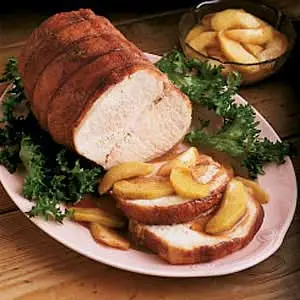
Lion's Head Pork

Submitted by cobra1102
Lion’s Head pork meatballs: oversized Shanghai-style pork meatballs with water chestnuts nestled over braised Napa cabbage. Classic Chinese Jiangsu dish where the meatballs resemble a lion’s mane atop a bed of greens.
YIELD
5 servingsPREP
15 minCOOK
35 minREADY
1 hrsLion’s head (狮子头, shizi tou) is one of the great Chinese regional dishes from Jiangsu province, named for the resemblance between the shaggy cabbage bed and a lion’s mane surrounding the meatball “head." It’s a dish that looks rustic but eats like comfort food at its most refined.
Hand-chopping the pork with a cleaver is the authentic move. Unlike pre-ground pork, hand-minced meat keeps a coarser, more varied texture that makes the meatballs feel tender and rough-cut rather than uniformly dense.
Water chestnuts are the textural surprise. They stay crunchy through the braise, giving each bite an unexpected snap against the soft pork.
Make these big. Four giant meatballs from two cups of pork is the whole point. Small meatballs miss the dramatic name and the textural contrast of outer crust and juicy, steaming center.
Brown slowly over medium heat for a full 15 minutes, turning carefully. Rushing the browning leaves the interior raw and the exterior burnt; slow and steady gives you even color and deep flavor.
The cabbage (Napa or celery) cooks briefly in the meatball juices at the end, absorbing all that porky flavor before serving.
Chef Tips
- Use pork shoulder with a good fat percentage (around 20%). Lean pork makes dry, dense meatballs.
- Handle the meat gently when shaping. Over-compacting makes dense meatballs; loose shaping keeps them tender.
- Tamari works as a gluten-free soy sauce substitute without changing the flavor much.
- A Chinese clay pot is traditional for this dish if you have one. The earthenware adds subtle depth to the finished sauce.
Variations
- Add 1 tablespoon Shaoxing wine and 1 teaspoon sesame oil to the meat mixture for more Jiangnan authenticity.
- Serve over steamed rice with the braising liquid spooned over both the rice and meatballs.
- Add a handful of rehydrated dried mushrooms to the braise for earthier depth.
Ingredients
Directions
Take your Chinese cleaver and coarsely dice pork. Dice water chestnuts and slices of onion.
Place all together on a heavy duty meatboard.
Mince with your Chinese cleaver until all three of the ingredients are blended together into a lump.
Place minced meat into a bowl. Add salt, pepper, and soya sauce.
Blend together and form into 4 large meatballs.
Place oil in wok. Heat should be on medium. Heat oil for about 1 minute.
Add pork balls to wok and brown slowly on all sides, about 15 minutes.
Cover wok, reduce heat to low medium and cook pork balls a further 30 minutes, lifting cover up from wok from time to time to turn meatballs, so that they can be cooked through evenly.
Lift meatballs from wok and reserve on platter. Add celery cabbage to wok.
There should be some meat juice in the wok, about ½ cup or so.
If there isn’t any, add ¼ cup water to celery cabbage. Stir fry about a minute, cover and cook a further 3 minutes, lifting cover once or twice to stir cabbage. Place cooked celery cabbage on serving platter. Arrange meatballs over cabbage.

Comments