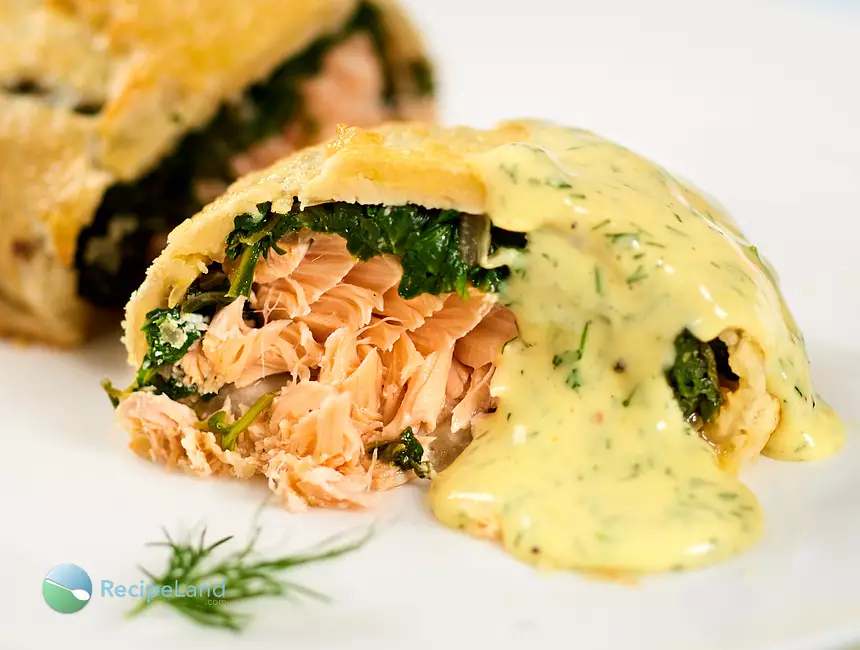
|
|

History
- Forget four-leaf clovers - dill
is the name of the good luck game. A member of the parsley
family, dill's feathery foliage has long been a symbol of good
luck.
Ancient Romans believed dill had
fortifying qualities. Gladiators were given food covered with
dill, to give them strength.
We get the modern word dill from
the Norse word "dilla" which means "to lull"
or "soothe." The ancient Greeks thought of dill as a
sign of wealth. Hippocrates wrote of a recipe for cleaning
the mouth in which you rinsed with dill seed which had been
boiled in white wine. During the Middle Ages, dill
was thought to have magical properties and was used against
witchcraft. If someone thought a witch had cast a spell on them,
they would make a special drink which contained dill leaves to
protect themselves from the spell or wear a charm made from dill
leaves. They also burned dill leaves to clear
thunderstorms. Charlemagne had vials of dill tea
available at dinners to stop the hiccups of guests.

Religious
- Dill is used in love and
protection sachets. The dried seed heads hung in the home, over
doorways, and above cradles provides protection. Add dill to
your bath to make you irresistible to your lover.

Growing
Dill & Varieties
- Dill can easily be grown
from seed in full sun, and can even tolerate a slightly sandy
soil. However, when first planting you should keep the soil
moist until established. Do not move your dill; instead plant
where you will be growing it. Thin the seedlings to 10 inches
apart; they will grow about 3 feet high. Use the seedlings that
you pull up; they are tender and delicious! Be sure to let one
of the plants remain with it's seeds after the season is
finished, so it will reseed itself. These plants will be much
sturdier and hardier. Throughout the summer you can plant dill
in 2 week intervals also, to maintain a supply of fresh leaves.
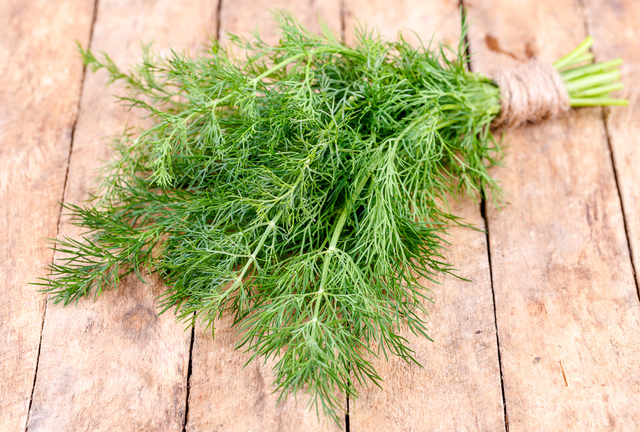
Use fresh dill within a week,
storing it bouquet-fashion in a glass of water, with a plastic
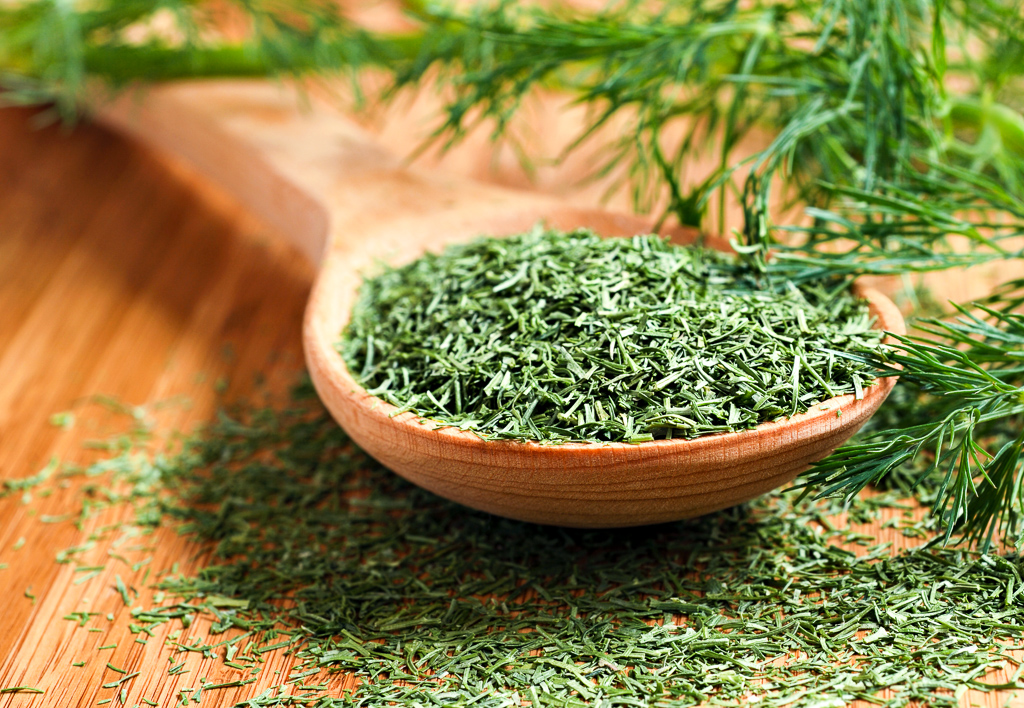
bag over the top, in the refrigerator. Dried dill weed keeps
best in an opaque jar, as light fades the bright color and
reduces the flavor quickly. Seeds are offered whole and are
often crushed to release flavor before adding them to dishes.
Bouquet: The essential pickling herb. Its
feathery foliage is used to garnish cucumber salads and other
dishes. Can also be used as a filler in cutflower arrangements.
A tall dill producing many flowerheads
Dukat: A tetraploid dill; larger
flowerheads.
Fernleaf: A beautiful dwarf dill that can
be used as a border plant as well as for all herbal uses.
|
Medicinal
- Dill is used to treat colic,
gas, and indigestion.
Dill weed contains the
carminative agent, carvone, which has a calming effect
and aids with digestion by relieving intestional gas. Romans
considered dill good luck and also used it as a tonic. A couple
of centuries ago, parents would give dill seeds to children to
chew during church services to keep them quiet and alert during
long sermons. This usage caused them to be called "meetin'
seeds." The seeds are also high in calcium, with 1
tablespoon providing an equivalent of 1/3 cup of milk. Dill is
said to promote lactation in nursing mothers and has been
historically used as a weak tea given to babies to ease colic,
encourage sleep, and get rid of hiccups.

Cooking
- Dill leaf can be clipped and
used in cottage cheese, potato salad, cream cheese, tomato soup
and salads. You may also sprinkle chopped young dill on broiling
lamb, pork chops or steak during the last five minutes of
cooking. The seeds that form on dill can be sprinkled on small
pieces of toast or crackers with salmon that has been mixed with
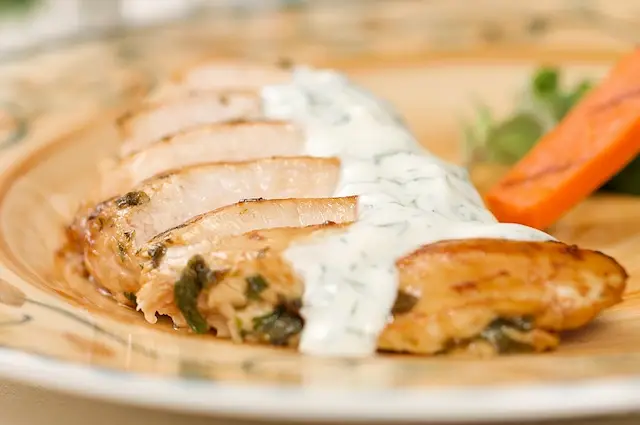
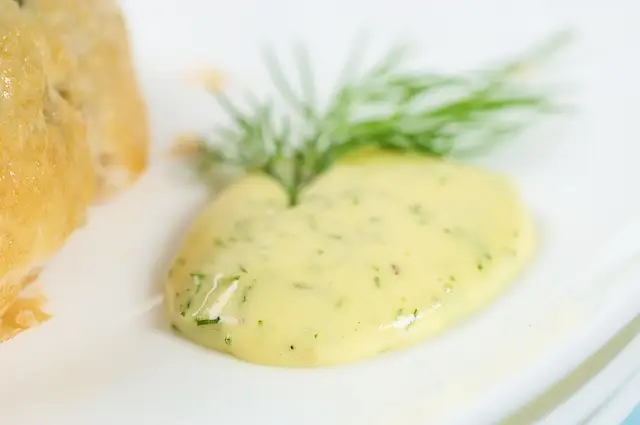
mayonnaise. Both the seed and leaf can be used in fish sauces.
The fresh leaves can be frozen in small re-sealable bags and used
in dishes. When the leaves are dried, they are referred to as
dill weed in recipes. The seeds can be kept in a closed
container and used as needed.
This is one spice
that really tastes much different in its fresh and ground forms.
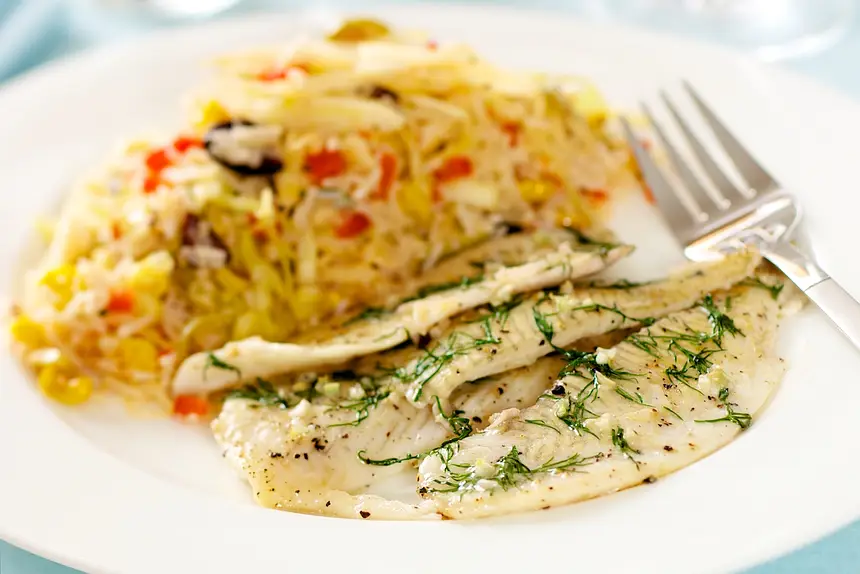
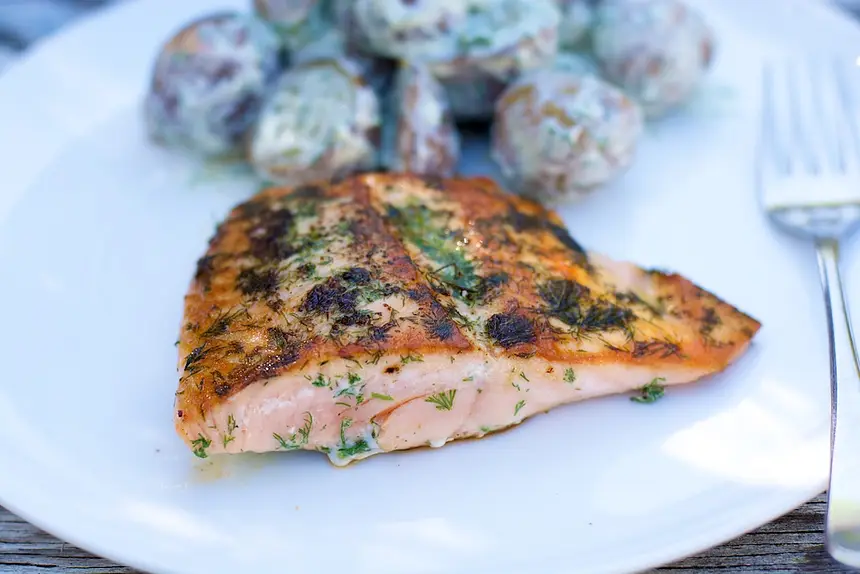
Fresh dill pairs ideally with fresh new potatoes, smoked salmon,
and tossed with cooked shrimp and rice. Toss fresh dill with hot
ingredients just before serving to maintain flavor. When heated
for long, fresh dill loses much of its flavor - which is when
the dried or seed form is a better choice for slow-cooked dishes
and baked goods.
Dill weed adds a
lovely taste to salads, cured meats and a variety of sauces. Its
subtle properties make it an excellent experimental spice - it's
hard to add too much and ruin a dish. In the US, the most common
use of dill seed is in pickling.

Recipes
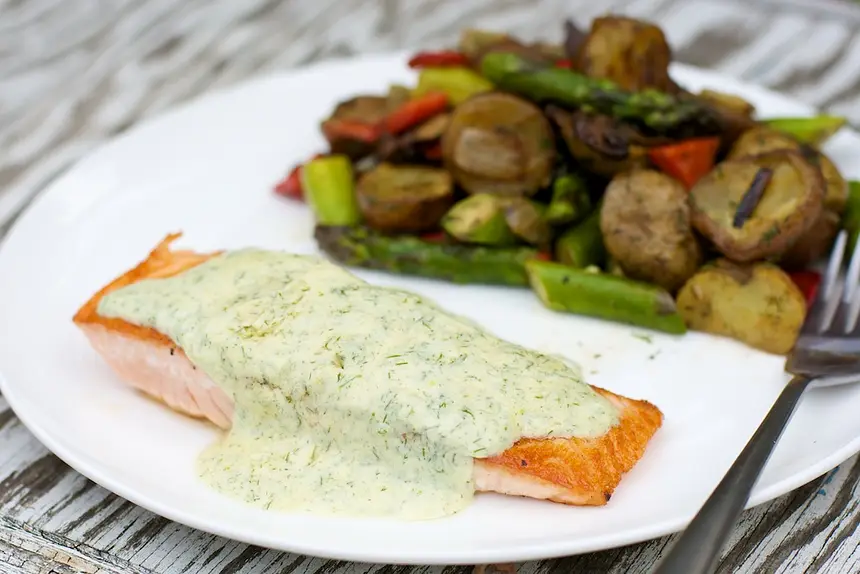
Baked Dilled
Salmon on Rice
Baked Zucchini
Boats
Beet Soup with
Dill and Yogurt
Carrots with
Bow Tie Pasta
Cheddar Dill
Knots
Chicken in
Lemon Dill Sauce
Chickpea & Herb
Salad
Creamy Leek
And Potato Soup (Pressure Cooked)
Dill-And-Caraway Pork
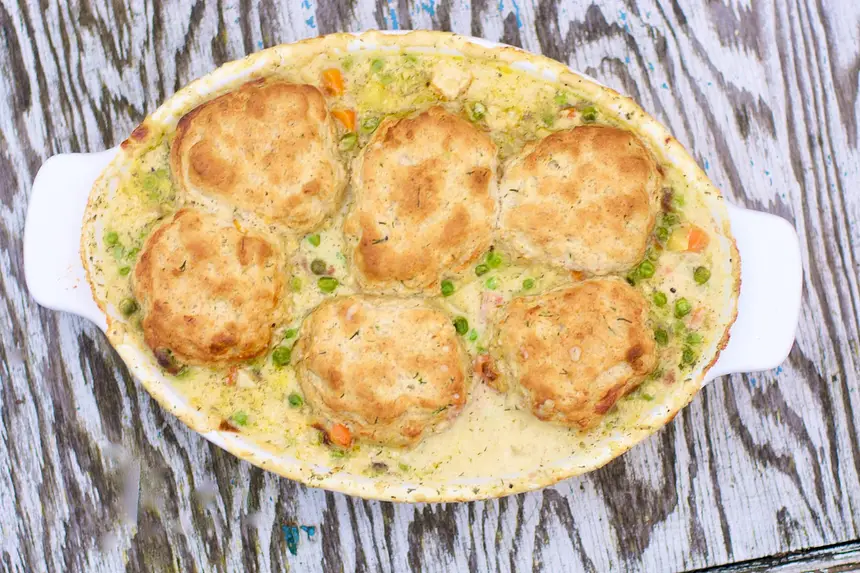
Dilled Chicken
Pot Pie
Papaya
Cucumber Salsa
Quick And Easy
Dill Mustard
Risotto with
Seafood & Dill
Sole with
Tomatoes
Spanakopitas
Tofu Potato
Salad with Dill
Walnut-Onion
Herb Bread
more
recipes with Dill
|